3 Tristan Embroidery Font Review for Custom Projects
As an embroidery designer who spends hours digitizing and stitching for clients, I know that choosing the right font is about more than just aesthetics. It is about reliability, stitch quality, and how the final finished product holds up under real-world conditions. Recently, I evaluated the 3 Tristan Embroidery Font from Creative Fabrica with a specific commercial order in mind: a set of personalized tote bags and aprons for a local boutique. My goal was to determine if this machine embroidery design could deliver the professional look my customers expect while remaining efficient to produce.
First Impressions and Visual Mood
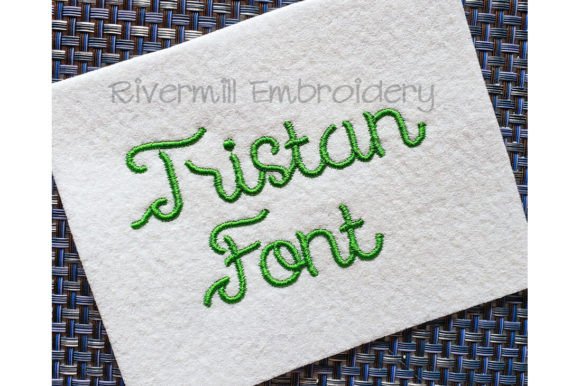
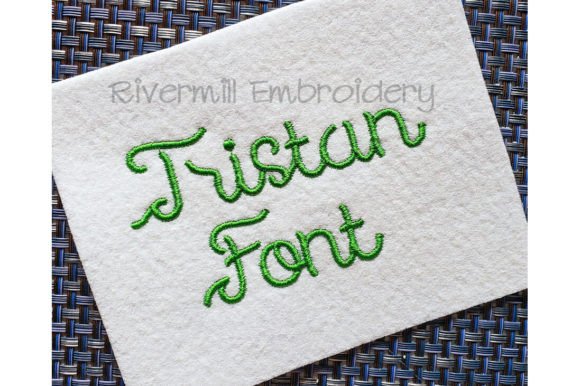
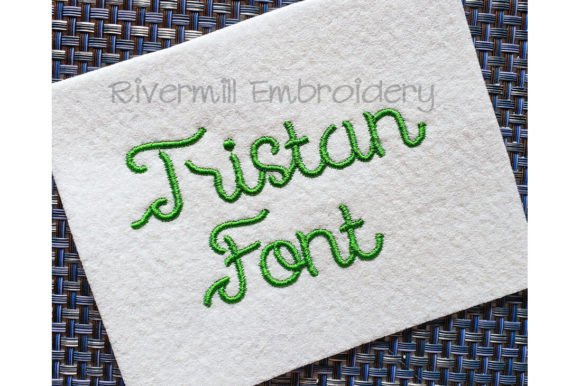
Upon downloading the embroidery file, the first thing that stood out was the versatility offered by the three included sizes. The 3 Tristan Embroidery Font set comes with upper and lower case letters and numbers 0-9, which is essential for creating varied custom text rather than just monograms. Visually, the font carries a classic, slightly formal mood that fits perfectly within the School category, yet it is refined enough for high-end custom apparel.
The stitching personality appears clean and structured. In the preview images, the letterforms show a balanced mix of satin stitch columns and potential fill stitch areas, suggesting a solid coverage that won't look sparse on thicker fabrics like towel or denim. For a designer, the immediate appeal is the "ready-to-stitch" nature of the files. Since the format provided is PES, it is immediately compatible with Brother machines, which are staples in many small businesses, though most modern converters can handle this digital embroidery file for other brands.
Performance in Real Embroidery Work
When considering this font for actual production, I looked at how it would perform across different substrates. For sweatshirt embroidery, the medium and large sizes of the 3 Tristan Embroidery Font seem ideal. The structure of the letters suggests they can sit well on fleece without getting lost in the nap, provided the correct stabilizer is used. For lighter applications, such as a tote bag design on canvas or a kitchen towel, the smaller size offers a delicate touch that feels premium rather than bulky.
I also considered its use for embroidered patch creation. The defined edges of the characters in this set would likely translate well to a merrowed edge patch, giving a crisp outline that enhances brand consistency for boutique merchandise. However, when working with stretchy fabrics or curved surfaces like caps, one must be cautious. While the font looks sturdy, any dense lettering requires careful hooping and potentially a cut-away stabilizer to prevent puckering over time, especially if the finished product will undergo frequent washing.
For those creating printable mockup assets or listing items on Etsy, the visual clarity of this font is a strong selling point. It photographs well, offering high contrast that makes product images pop. Whether used for nursery decor, baby blankets, or seasonal handmade gifts, the 3 Tristan Embroidery Font adds a layer of professionalism that boosts buyer trust. A clean, well-executed font signals to the customer that the maker cares about detail, directly influencing the perceived value of the item.
Practical Considerations for Designers
Before running a full production batch, there are several practical steps every embroiderer should take with a new font. First, always test on scrap fabric that matches your final material. If you are stitching on dark fabric, check the thread colors carefully; the density of the Tristan font may require an underlay adjustment or a specific thread weight to ensure full coverage without visible gaps.
It is crucial to confirm the hoop size required for the largest characters in the set. While the product includes three sizes, knowing the exact dimensions prevents last-minute re-hooping frustrations during a busy workday. Additionally, review the stitch density closely. If the font leans towards heavy saturation, it might be too stiff for lightweight linens or silk, making it better suited for sturdy cottons, twills, or home decor items like pillow covers.
Another vital check involves the licensing terms on the Creative Fabrica product page. As a commercial embroidery provider, you must ensure the license allows for selling finished physical goods. The description notes that the stitch information shown is specifically for the letter "A" and "a" in each size. This is a helpful detail, but it also means you should manually check the stitch count of other letters in your software if you are billing clients based on stitch counts or estimating run times.
Enhancing Product Value and Branding
Incorporating the 3 Tristan Embroidery Font into your library can significantly enhance your product lineup. For handmade product sellers, consistency is key. Using a reliable, attractive font across multiple items—such as matching aprons and oven mitts—creates a cohesive brand identity. The inclusion of both uppercase and lowercase letters allows for sentence-case personalization, which often feels more modern and approachable than all-caps styling.
Furthermore, this font serves as an excellent asset for creating personalized gift packages. The ability to scale the design across three sizes means you can offer tiered pricing or varied placement options, such as a large chest logo on a hoodie versus a small cuff detail on a sleeve. This flexibility helps maximize the utility of a single purchase, making it a cost-effective addition to your design assets.
Final Verdict for Commercial Use
The 3 Tristan Embroidery Font presents itself as a robust tool for the serious hobbyist and the small business owner alike. Its strength lies in its adaptability; it transitions smoothly from educational or school-themed projects to elegant home decor and wearable art. While the PES format limits immediate use on non-Brother machines without conversion, the quality of the digitizing appears sound for general commercial applications.
However, success with this font depends on the operator's attention to detail. Inspecting small details after stitching, choosing the right stabilizer for the fabric type, and verifying the specific stitch counts for your intended text are non-negotiable steps. If you are looking for a versatile, classic typeface that can elevate your custom apparel and home goods, this set is worth exploring. Just remember to validate the specific technical details on the product page to ensure it aligns perfectly with your machine capabilities and project requirements.