Brain: A Colorful Creative Embroidery Design Review
As a designer who spends more time under the magnifying lamp than I do away from it, I approach every new machine embroidery design with a mix of curiosity and skepticism. We have all downloaded files that look vibrant on the screen but turn into a tangled mess of thread breaks and puckering on the fabric. So, when I pulled up the Brain embroidery file, my first thought wasn't about how cute it was, but rather, "How will this actually stitch out?" This isn't just a digital asset; it's a blueprint for a physical product that needs to hold up to wear, washing, and customer scrutiny.
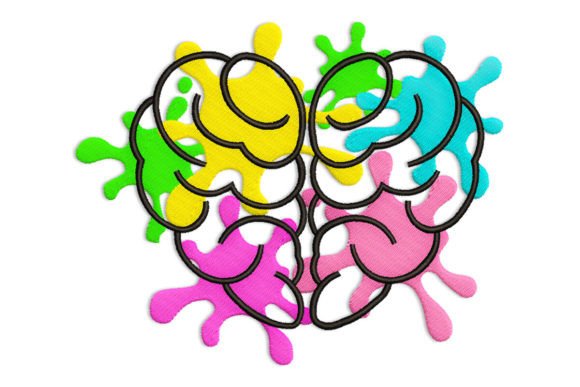
The Brain design immediately stands out because of its colorful and creative theme. In the world of School themed graphics, we often see clichéd apples or generic pencils. This design offers something different—a stylized, artistic representation that feels modern and engaging. The visual personality is playful yet intelligent, making it a perfect fit for projects targeting students, teachers, or anyone in the creative field. The layout suggests a balanced distribution of color blocks, which usually translates well to fill stitch areas, provided the density is managed correctly.
Real-World Application: The Custom Tote Bag Test
To truly evaluate this embroidery project, I imagined a specific real-life scenario: creating a line of custom tote bags for a local university bookstore or a back-to-school craft fair. Tote bags are notoriously tricky; they are often made of canvas or heavy cotton twill, which can be unforgiving if the stitch count is too high or the pull is too strong.
Visualizing Brain on a natural canvas tote, the colorful theme pops beautifully against the neutral background. The design's artistic nature elevates the bag from a simple utility item to a piece of wearable art. For an Etsy seller or small shop owner, this distinction is crucial. Customers aren't just buying a bag; they are buying a statement. The finished product would likely appeal to psychology majors, art students, or teachers looking for a unique personalized gift. The clarity of the shapes suggests that even from a distance, the motif is recognizable, which is essential for brand consistency and instant visual appeal.
Performance on Various Fabrics and Products
Beyond tote bags, the versatility of this digital embroidery file opens doors for various custom apparel options. On a heavyweight sweatshirt, the Brain design would add a fantastic focal point to the chest or sleeve. The colorful segments would break up the monotony of a solid-colored garment, adding value to what might otherwise be a basic item. For baby embroidery, such as a onesie or a nursery blanket, the whimsical style works well, though one must be mindful of the fabric weight. Babies have sensitive skin, so ensuring the back of the stitching is clean and covered with a soft backing is non-negotiable.
I also considered this design for an embroidered patch. Patches are a huge trend right now, and the defined edges of the brain shape seem conducive to a merrowed edge or a tight satin border. If you are running a craft business selling patches, this design could be a bestseller for science clubs or medical students. However, when moving to curved surfaces like caps, caution is required. The center of a cap is a challenging area for wide designs. If the Brain file is too wide, it might distort around the curve, causing the columns of the letters or the segments of the brain to gap. Always check the dimensions against your cap frame capabilities.
Technical Considerations and Stitching Clarity
Let's talk about the technical nitty-gritty that separates amateur results from professional commercial embroidery. The description highlights a "colorful" theme, which implies a significant number of thread colors. While visually stunning, frequent color changes increase production time and the risk of thread nests on the underside. When setting up this job, I would recommend grouping similar shades if possible, or ensuring your machine's tension is dialed in perfectly to handle the transitions.
Stitch density is another critical factor. A design with too much fill can make stiff fabrics even stiffer, leading to discomfort in apparel. Conversely, too little density on a plush towel can result in the fabric showing through, ruining the color saturation. Before committing to a full run of holiday embroidery gifts or boutique merchandise, it is vital to test the design on scrap fabric that matches your final material. Check how the satin stitch borders (if present) lay against the fill areas. Are there gaps? Is there excessive buildup?
For those working with dark fabrics, the vibrancy of the Brain design should shine, but only if the underlay is sufficient. A poor underlay strategy on dark garments can lead to a dull appearance where the fabric color mutes the thread. Additionally, consider the hoop size. If this design is large, ensure your hoop allows for enough margin to prevent the frame from crushing the stitches, especially on textured fabrics like waffle knits or corduroy.
Enhancing Product Value and Customer Trust
Ultimately, the choice of design assets like Brain directly impacts your brand's perception. A crisp, well-stitched design builds customer trust. It signals that you care about quality and detail. In contrast, a design that puckers or loses definition after one wash can damage your reputation as a handmade product creator. The artistic representation of the brain in this file suggests a level of sophistication that can justify a higher price point. It moves the item from "generic souvenir" to "thoughtful, curated goods."
When creating printable mockups for your online store, this design offers excellent potential. The colorful segments provide great contrast for digital previews, helping to drive buyer engagement before the item is even manufactured. Whether you are selling the embroidery file itself as a digital download or the stitched finished product, the visual appeal is a strong selling point.
Practical Designer Notes for Success
Before you start stitching, keep these practical tips in mind to ensure the best results with the Brain design:
- Test First: Always stitch a sample on scrap fabric identical to your final project material to check for puckering or registration issues.
- Check Contrast: Review the thread chart. Ensure adjacent colors have enough contrast so the details don't blur together, especially in smaller sizes.
- Stabilizer Matters: Choose the right stabilizer for your fabric type. Cut-away is often safer for stretchy fabrics like t-shirts, while tear-away works for stable wovens.
- Inspect Details: Look closely at the small corners and intricate parts of the brain shape. These areas are prone to thread breaks if the density is too high.
- Light vs. Dark: Test the design on both light and dark backgrounds to see if the color palette holds up or if adjustments are needed.
- Licensing Check: Confirm the license terms before selling. Can you sell the finished items? Can you resell the digital file? Never assume; always verify to protect your small shop product line.
- Hoop Confirmation: Verify the required hoop size matches your machine's capabilities, particularly if you plan to do multi-position stitching for larger garments.
In conclusion, the Brain embroidery design is a promising asset for designers looking to add a splash of creativity to their School or education-themed collections. Its strength lies in its modern aesthetic and versatile application across various handmade products. However, like any powerful tool, it requires a skilled hand and a thoughtful approach to fabric and technique. By respecting the technical requirements and testing thoroughly, you can transform this digital file into a standout physical product that resonates with customers and elevates your brand.