Cool School Font: A Designer’s Review for Embroidery Projects
As an embroidery designer who spends countless hours digitizing and testing files for real-world application, I am always on the lookout for versatile assets that bridge the gap between playful aesthetics and professional execution. Recently, I evaluated Cool School Font, a machine embroidery design available on Creative Fabrica, to determine its viability for commercial projects. My goal was not just to look at the preview images, but to imagine how this specific typography would hold up on actual garments and home goods. For Etsy sellers, small business owners, and creative entrepreneurs, understanding the nuance of a font-based embroidery file is crucial before adding it to your digital library.
First Impressions and Visual Mood
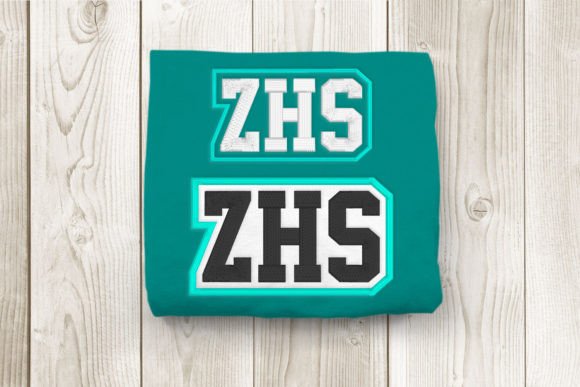
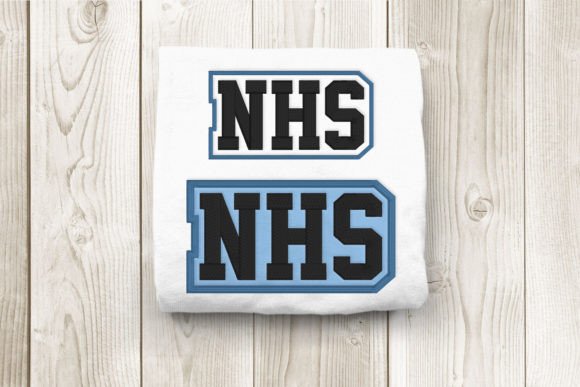
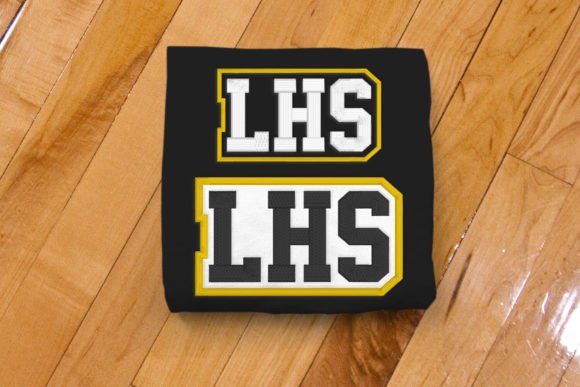
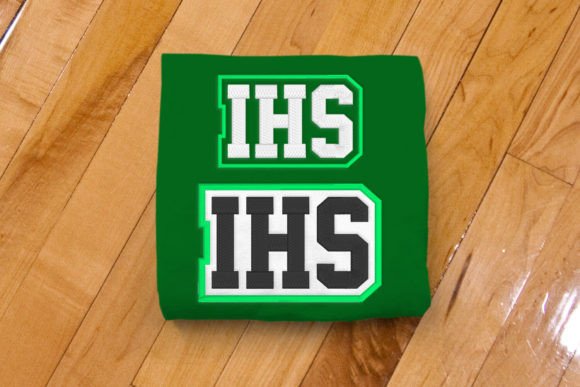
The immediate appeal of Cool School Font lies in its balanced personality. It captures a nostalgic, academic vibe without feeling stiff or overly traditional. The letterforms suggest a hand-drawn quality that translates surprisingly well into thread, offering a softness that rigid, vector-style fonts often lack. When reviewing the design assets, I noticed that the spacing and proportion are designed to remain legible even when scaled down, which is a critical factor for items like caps or pocket logos.
This font does not scream for attention with excessive embellishment; instead, it relies on clean lines and consistent weight. This simplicity is a strength. It allows the texture of the thread to become part of the design rather than fighting against complex digitizing effects. For those of us who value brand consistency, this neutral yet charming mood fits seamlessly into collections ranging from back-to-school apparel to cozy nursery decor.
Real-World Application and Versatility
The product description highlights that you can use the file for t-shirts, pillows, bags, hats, aprons, handkerchiefs, and tote bags. In my experience, this versatility is accurate, but the success of the project depends heavily on fabric choice and stabilization. Here is how I envision Cool School Font performing across different categories:
- Custom Apparel and Sweatshirts: This is perhaps the strongest use case. The font’s structure works beautifully on sweatshirt embroidery, where the loft of the fleece can sometimes distort finer details. The boldness of the letters ensures they remain readable against the textured background of cotton blends.
- Tote Bag Design: Canvas tote bags are a staple for handmade shops. Using this font for personalized names or short phrases creates a high-value perceived item. The contrast between the sturdy canvas and the soft thread adds a tactile element that buyers love.
- Caps and Curved Surfaces: Embroidering on curved cap surfaces requires a design that is not too wide. Since this is a font, you can customize the length of the text. However, care must be taken with hoop size to ensure the design sits flat without puckering.
- Nursery Decor and Pillows: For baby items, the gentle aesthetic of the font is ideal. Whether used on a pillow cover or a blanket border, it adds a personalized touch that appeals to parents looking for unique, handmade gifts.
Technical Considerations for Stitching
While the visual appeal is strong, the technical execution is where many designers face challenges. When working with any text-based machine embroidery design, stitch density is a primary concern. If the density is too high, the fabric may pucker, especially on lighter materials like handkerchiefs or aprons. Conversely, if the density is too low, the backing fabric might show through, particularly on dark fabrics.
I recommend conducting thorough tests on scrap fabric before committing to a final product. Pay close attention to the following technical aspects:
- Stabilizer Selection: For stretchy fabrics like t-shirts, a cut-away stabilizer is essential to prevent distortion over time. For woven fabrics like tote bags or aprons, a tear-away stabilizer may suffice, provided the stitch count is not excessively high.
- Thread Color Contrast: Because the font relies on clear letterforms, choosing the right thread colors is vital. High contrast between the thread and the fabric enhances readability. However, for a subtle, boutique look, tonal stitching can work if the lighting in your product photography highlights the texture.
- Hoop Size and Placement: Always confirm the hoop size required for your specific machine. If you are stitching long phrases, you may need to split the design or use a larger hoop. Ensure that the design is centered correctly, especially on items like caps where symmetry is noticeable.
- Small Details and Legibility: If you plan to use smaller sizes, inspect the stitched sample closely. Tiny lettering can sometimes merge if the satin stitch or fill stitch parameters are not optimized for the thread thickness being used.
Enhancing Product Value and Brand Trust
In the competitive market of handmade products, presentation is everything. Using a well-digitized font like Cool School Font can significantly elevate the perceived value of your finished product. Customers associate clean, professional embroidery with quality craftsmanship. When your stitched text is crisp and free of jumps or loose threads, it builds buyer trust.
Furthermore, this design asset supports better product photography. Clean typography photographs well, allowing you to create compelling printable mockups for your online listings. Whether you are selling on Etsy or at local craft fairs, the visual appeal of consistent, stylish lettering helps in creating a cohesive brand identity. It transforms a simple item, like a kitchen towel or a patch, into a desirable, giftable product.
Commercial Use and Licensing Notes
For commercial embroidery professionals and digital product sellers, understanding licensing is non-negotiable. Creative Fabrica generally offers favorable terms for creators, but it is imperative to review the specific license details on the product page before selling finished items. Ensure that the license covers the volume of sales you anticipate and clarifies any restrictions on digital redistribution.
Remember, while the embroidery file provides the design, your skill in hooping, stabilizing, and thread selection determines the final quality. Always check the file details provided by the designer, including recommended needle sizes and thread types, to achieve the best results.
Final Verdict for Designers
Cool School Font is a solid addition to any embroidery designer’s toolkit. Its adaptability across various products—from durable tote bags to delicate baby items—makes it a versatile choice for diverse customer requests. While it requires careful attention to stitch density and stabilizer choice, the resulting aesthetic is polished and professional. For those looking to expand their offerings in custom apparel and personalized gifts, this design offers a reliable foundation for creating high-quality, commercially viable products. As with any new digital embroidery file, start with test stitches, refine your technique, and let the quality of your craftsmanship shine through.