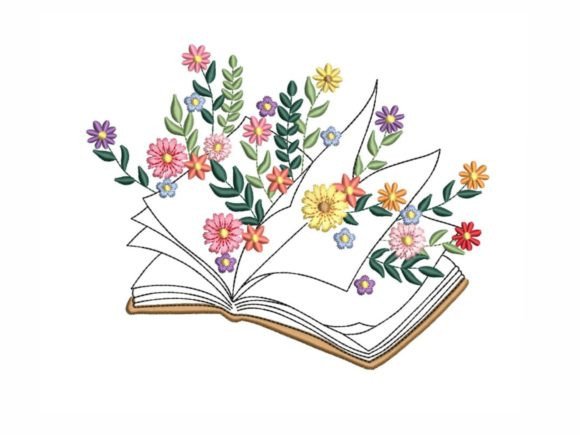
Flower Book: A Designer’s Review for Boutique Apparel
As an embroidery designer who spends more time staring at stitch maps than I do sleeping, I am always on the hunt for digital assets that bridge the gap between whimsical charm and professional finish. When I stumbled upon Flower Book in the School category on Creative Fabrica, my immediate instinct was to look past the obvious academic applications. While the product description highlights its suitability for bookmarks and cushion covers, my eye was drawn to its potential for custom apparel. Specifically, I wanted to see how this machine embroidery design would translate onto the textured surfaces of modern streetwear and boutique sweatshirts.
In the world of small shop products, versatility is king. A design that only works on one fabric type is a liability; a design that adapts to fleece, cotton, and denim is an asset. Here is my professional breakdown of Flower Book, focusing on its application for hoodie designs, tote bag customization, and elevated everyday wear.
Visual Personality and Stitch Mood
The first impression of Flower Book is one of quiet sophistication. It does not scream for attention with aggressive satin stitches or overly complex fills. Instead, it offers a balanced aesthetic that feels both classic and slightly playful. For a boutique brand, this is crucial. You want a design that enhances the garment rather than overpowering it. The visual personality here leans towards the feminine and rustic, with a touch of minimalism that fits perfectly into the current trend of "cozy intellectual" fashion.
The detail level appears moderate, which is a significant advantage for production speed and thread consumption. In commercial embroidery, overly dense designs can cause puckering, especially on stretchy fabrics. From a preliminary review, the stitch density seems managed well, suggesting that it will lay flat on medium-weight fabrics without requiring excessive stabilizer intervention. This makes it an ideal candidate for Etsy sellers who need to maintain high quality while keeping production times reasonable.
Apparel Applications: Sweatshirts and Hoodies
My primary test case for this design was a collection of neutral-toned sweatshirts. The interplay between the floral elements and the book motif creates a narrative that resonates deeply with the current market of book lovers and literary enthusiasts. Here is how I envision placing Flower Book on various garments:
- Hoodie Chest Placement: Centered on the left chest, this design acts as a subtle brand identifier or a personal statement. On pastel hoodies, using contrasting thread colors can make the design pop, while on dark apparel, tonal threading creates a sophisticated, embossed look.
- Sleeve Accents: For oversized garments, placing a smaller version of the design on the lower sleeve adds a unique touch that distinguishes your handmade product from mass-produced alternatives. This placement works particularly well on ribbed cuffs if the hoop size allows for precise alignment.
- Back Designs: While the design might be too intricate for a massive back fill without modification, it serves beautifully as a central element in a larger composition. Imagine Flower Book centered on the upper back of a denim jacket, surrounded by minimal text or additional botanical elements.
When working with fleece or heavy cotton blends, the fabric texture plays a major role in the final outcome. The loops in fleece can sometimes obscure fine details. Therefore, I recommend testing the design on scrap fabric identical to your final garment. This ensures that the stitch definition remains crisp and that the design does not get lost in the pile of the fabric.
Beyond Apparel: Totes and Lifestyle Products
The product description explicitly mentions tote bags and cushion covers, and for good reason. The structural integrity of canvas tote bags provides an excellent foundation for embroidery. The Flower Book design holds up exceptionally well here because the stable fabric prevents the distortion often seen in knitwear. For an Etsy seller, offering a matching set—a tote bag and a coordinating sweatshirt—can significantly increase average order value.
Furthermore, this design is perfect for creating lifestyle product photos. The imagery of a book surrounded by flowers evokes a sense of calm and creativity. When you stage these finished products with coffee cups, reading glasses, or soft blankets, you are not just selling embroidery; you are selling a lifestyle. This emotional connection drives customer engagement and helps build brand identity.
Technical Considerations for Professional Results
Before launching any new design into your commercial embroidery lineup, technical due diligence is non-negotiable. Here are the critical steps I take when integrating a new digital embroidery file like Flower Book into my workflow:
- Stabilizer Choice: For sweatshirt embroidery, a cut-away stabilizer is generally preferred to support the stretch of the fabric. However, if you are using a woven tote bag, a tear-away might suffice. Always match the stabilizer to the fabric weight.
- Thread Color Contrast: The success of this design relies heavily on color selection. On dark garments, avoid using black thread for the outlines, as it will disappear. Instead, opt for deep navys, charcoals, or even metallic threads for a premium feel.
- Hoop Size and Placement: Confirm the hoop size required for the specific file format you download. Since the product comes with multiple embroidery file formats, ensure you select the one that matches your machine’s maximum hoop capacity to avoid resizing, which can distort stitch density.
- Test on Similar Garment Fabric: Never skip the test stitch. Run the design on a scrap piece of the exact same material you intend to sell. Check for puckering, thread breaks, and registration issues.
It is also vital to review the licensing terms provided on Creative Fabrica. As a creative entrepreneur, you must ensure that the license allows for the sale of finished physical products. Most designs on the platform do, but verifying this protects your small clothing brand from potential legal issues down the line.
Elevating Brand Identity and Buyer Trust
Using high-quality, well-digitized designs like Flower Book directly impacts buyer trust. When a customer receives a garment where the embroidery is clean, centered, and free of loose threads, they perceive higher value. This perception leads to repeat business and positive reviews, which are the lifeblood of any online shop.
Moreover, consistency in visual presentation helps establish your brand identity. If your shop specializes in cozy, literary-themed apparel, Flower Book fits seamlessly into that narrative. It allows you to create a cohesive collection that feels curated rather than random. This level of thoughtfulness is what separates successful boutique brands from hobbyists.
In conclusion, Flower Book is a versatile addition to any embroidery designer’s library. While it sits in the School category, its application extends far beyond academic supplies. It is a robust choice for sweatshirt embroidery, hoodie customization, and tote bag embellishment. By paying attention to fabric texture, stabilizer choice, and thread contrast, you can transform this digital file into a standout finished product. For the handmade business owner looking to expand their catalog with meaningful, aesthetically pleasing designs, this is a resource worth exploring. Always remember to check the specific file details and license terms before beginning production, ensuring that your creative process is as smooth as your final stitch-out.