Number 7 Applique: A Designer's Review for Real Projects
When I first pulled up the Number 7 Applique file on my screen, I wasn't looking for flashiness. As someone who spends hours hooping fabric and trimming jump stitches, I look for clean lines, logical stitch paths, and a silhouette that reads clearly from a distance. This design immediately struck me as a solid workhorse for the School category, but its utility extends far beyond the classroom. It has a classic, varsity-inspired aesthetic that feels timeless rather than trendy, making it a versatile asset for any craft business or handmade shop owner looking to expand their custom apparel offerings.
First Impressions and Visual Personality
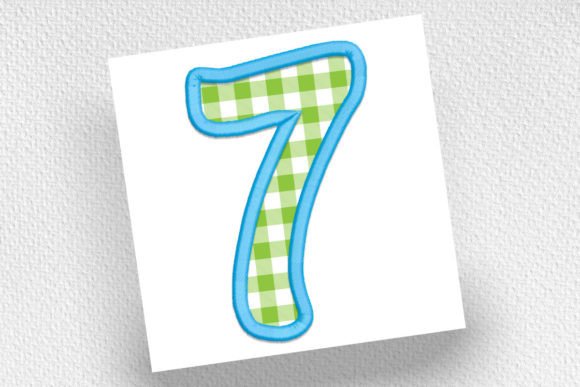
The visual personality of this Number 7 Applique is defined by its bold structure. Unlike some digital embroidery files that rely on overly complex fill patterns which can muddy the details on smaller items, this design leans into the strength of the appliqué technique. The layout suggests a strong foundation where the fabric patch does the heavy lifting for color blocking, while the stitching provides definition and durability.
For a designer, the mood here is "organized fun." It feels appropriate for team uniforms, personalized baby gear, or even boutique home decor. The shape is distinct, ensuring that even if you are using a contrasting thread color that doesn't perfectly match the appliqué fabric, the number remains legible. This clarity is crucial when you are creating products for customers who need immediate recognition, such as sports teams or family members organizing their belongings.
Real-World Application: The Custom Tote Scenario
To truly evaluate an embroidery design, you have to imagine it on a physical object. Let's say I am preparing a run of custom tote bags for a local teacher appreciation event. I need something that looks professional but also handmade. Using the Number 7 Applique on a canvas tote creates a fantastic texture contrast. The raised nature of the appliqué adds a tactile element that flat embroidery sometimes lacks.
In this scenario, the design performs well because the appliqué method covers the weave of the canvas effectively. If I were to use a standard satin stitch fill on rough canvas, the texture of the fabric might peek through the stitches, ruining the smooth look of the number. With this appliqué approach, the fabric patch ensures a solid block of color. For an Etsy seller, this kind of finish elevates the perceived value of the finished product. It signals to the buyer that thought went into the construction, not just the digitizing.
Beyond totes, imagine this on a sweatshirt embroidery project. Fleece and French terry can be tricky; they are thick and often have a nap. An appliqué design sits on top of this texture beautifully, avoiding the issue of stitches sinking into the pile. Whether it is for a varsity jacket, a cozy blanket, or a personalized gift for a seventh birthday, the design holds its own against textured backgrounds.
Technical Considerations and Fabric Compatibility
While the Number 7 Applique is robust, there are specific situations where a designer must proceed with caution. Appliqué inherently adds layers. If you are working on a stretchy fabric like a thin jersey t-shirt, the added weight of the patch and the dense stitching around the perimeter can cause the garment to pucker or pull over time. In these cases, selecting the right stabilizer is non-negotiable. A cut-away stabilizer would likely be necessary to support the weight of the appliqué and maintain the shape of the number after repeated washing.
Another critical factor is the hoop size. Before committing to a production run, you must verify the dimensions of the file against your machine's capabilities. While the description suggests versatility, placing a large appliqué on a curved surface like a cap requires careful positioning. The stiffness of the multiple fabric layers might make it difficult to hoop correctly without distortion. For caps and hats, testing on a scrap piece of the actual headwear material is essential to ensure the curve of the brim doesn't warp the straight lines of the number.
Furthermore, consider the thread colors used for the tack-down and final satin borders. On dark fabrics, a light-colored border can make the number pop, but on light fabrics, a matching or slightly darker thread creates a more subtle, integrated look. Always test your machine embroidery design in both black and white mockups first to check for contrast issues before cutting into expensive materials.
Stitch Quality and Density Management
The success of any applique design relies heavily on the density of the surrounding stitches. If the satin stitch border is too dense, it can cause the fabric edge to fray or the thread to break. If it is too loose, the raw edges of the appliqué fabric might peek out, looking unprofessional. Based on the visual profile of the Number 7 Applique, it appears to utilize a balanced approach suitable for standard cotton and polyester blends. However, if you are using slippery fabrics like satin or nylon for the patch itself, you may need to adjust your machine tension or slow down your stitching speed to ensure the running stitch and tack-down phases hold securely.
Commercial Viability and Brand Consistency
For small shop product creators and commercial embroidery professionals, consistency is key. If you are selling a line of nursery decor or school supplies, the Number 7 Applique offers a consistent look that builds brand recognition. Customers trust products that look uniform and well-executed. This design allows for that level of professionalism.
When listing this as a digital embroidery file or selling the handmade product itself, transparency about the file specifications is vital. Since exact stitch counts and specific format compatibilities (like PES, DST, or XXX) are not detailed in the brief overview, a responsible seller must check these details before listing. Ensure the design assets you provide or use are compatible with the most common machines your clientele owns. Additionally, always confirm licensing terms. Just because a design is available for purchase does not automatically grant unlimited commercial rights for mass production or resale of the digital file itself.
Final Verdict for Makers and Designers
The Number 7 Applique is a practical, high-value addition to any embroidery library. It bridges the gap between playful customization and professional finish. Its strength lies in its adaptability across various fabric textures and its ability to create a premium look on items ranging from kitchen towels to boutique branding merchandise.
My advice to fellow makers is simple: respect the layers. Treat this design as a multi-step process that rewards patience. Test your stabilizer choices, mind your fabric grain, and always stitch out a sample on scrap material that mimics your final product. When executed with care, this design transforms simple cloth into a cherished personalized gift or a best-selling craft fair product. It is a reliable tool for anyone looking to add a touch of numbered individuality to their creative portfolio.