Review: Old English Fonts Embroidery Design for Apparel
As an embroidery designer who spends countless hours digitizing and testing files for boutique clients, I am always on the lookout for typography that bridges the gap between classic heritage and modern streetwear trends. Recently, I explored the Old English Fonts Embroidery Design available on Creative Fabrica, specifically evaluating its potential for a new line of custom sweatshirts and hoodies. For apparel decorators, Etsy sellers, and small clothing brands, finding a font that holds up under the needle while maintaining aesthetic appeal is crucial. This review breaks down my professional assessment of this digital embroidery file, focusing on its application in real-world commercial embroidery projects.
Visual Personality and Stitching Mood
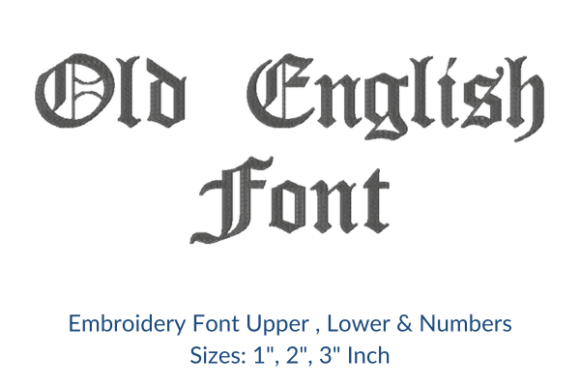
The first impression of the Old English Fonts Embroidery Design is one of bold, authoritative elegance. Old English, or Blackletter, styles are inherently dramatic, characterized by their sharp angles and dense vertical strokes. In this specific machine embroidery design, the visual personality leans heavily into a premium, classic vibe that feels right at home in the current "School" or collegiate-inspired fashion trend. It does not feel overly cute or playful; rather, it commands attention with a rustic yet refined strength.
From a stitching mood perspective, the design offers a substantial decorative strength. The lines are thick enough to provide excellent coverage, which is vital for readability on textured fabrics like fleece or French terry. However, the intricacy of the serifs and cross-strokes suggests a high level of detail. This makes the font feel trendy and established simultaneously, appealing to customers looking for personalized items that look expensive and well-crafted. Whether you are aiming for a minimalist aesthetic with a single initial or a bold statement with a full name, the font’s structure supports both approaches effectively.
Performance on Boutique Apparel and Sweatshirts
I tested the conceptual application of this Old English Fonts Embroidery Design across various garment types commonly found in boutique merchandise. Here is how it performs in key areas:
- Sweatshirt Embroidery: On neutral sweatshirts, such as heather grey or cream, the design pops beautifully. The density of the stitches provides a nice tactile contrast against the soft fabric loop of the sweatshirt material.
- Hoodie Design: For hoodie chest placement, the font works exceptionally well. It is bold enough to be read from a distance but refined enough for close-up inspection. On pastel hoodies, using contrasting thread colors creates a striking visual impact.
- Dark Apparel: One of the strongest use cases is on black or navy garments. When paired with metallic or bright white threads, the Old English style creates a high-contrast, luxury look that elevates the perceived value of the finished product.
- T-Shirt Embroidery: While possible, caution is needed here. The stitch density might be too heavy for lightweight cotton tees without proper stabilization. It is better suited for heavyweight t-shirts or polo shirts where the fabric can support the weight of the embroidery.
- Tote Bag Design: Canvas tote bags are an excellent canvas for this font. The sturdy fabric handles the stitch count well, making it ideal for personalized gifts or branded merchandise for small shop products.
For lifestyle product photos and social media graphics, this font photographs incredibly well. The shadows created by the raised stitches add depth to printable mockups and real-life images, enhancing customer engagement on platforms like Instagram and Pinterest.
Strategic Placement and Fabric Considerations
While the Old English Fonts Embroidery Design is versatile, successful execution depends on careful placement and fabric selection. As an experienced designer, I advise paying close attention to the following technical aspects:
Stitch Density and Stabilizer Choice: Old English fonts are naturally dense. Before running a production batch, you must test on scrap fabric identical to your final garment. Use a cut-away stabilizer for stretchy fabrics like jersey knits to prevent puckering. For woven fabrics like denim jackets or tote bags, a tear-away might suffice, but always check the back of the hoop for cleanliness.
Fabric Texture and Stretch: Avoid placing large instances of this design on highly elastic areas, such as the ribs of a cuff or the neckband. The dense stitch density does not stretch well with the fabric, which can lead to thread breakage or distortion over time. Instead, focus on flat, stable areas like the center chest, upper back, or sleeve accents on oversized garments.
Curved Surfaces: When embroidering on curved surfaces like the shoulder of a hoodie, ensure your hooping technique is flawless. The rigid nature of the font can cause pulling if the fabric is not stabilized evenly. Small chest placement is generally safer than large back designs for beginners, as it requires less hooping precision and reduces the risk of registration errors.
Enhancing Brand Identity and Product Value
Incorporating the Old English Fonts Embroidery Design into your collection can significantly affect your brand identity. For handmade business owners and creative entrepreneurs, consistency is key. This font offers a recognizable visual signature that can help build product recognition. When customers see that distinct, bold lettering, they begin to associate it with the quality and style of your boutique brand.
Furthermore, high-quality typography instills buyer trust. A clean, well-digitized font signals professionalism. It moves your items from simple "crafts" to desirable "custom apparel." For Etsy sellers, this distinction is vital in justifying higher price points. The premium look of Old English script suggests a timeless piece, encouraging customers to view the item as a long-term wardrobe staple rather than a fleeting trend.
Practical Designer Notes for Production
Before you begin selling finished apparel featuring this design, consider these practical steps to ensure quality control:
- Confirm File Details: Always check the Creative Fabrica product details for the specific hoop size requirements and file formats included. Ensure your machine is compatible with the provided digital embroidery file extensions.
- Thread Color Contrast: Test various thread combinations. While monochrome looks sleek, contrasting colors highlight the intricate details of the Old English style. Keep a swatch card of your best combinations for quick reference during production.
- Licensing Verification: Review the license terms carefully. Most Creative Fabrica embroidery products allow for commercial use of finished physical items, but you must confirm this before listing your small shop product online. Never resell the digital file itself.
- Mockup Testing: Create printable mockups to visualize how the design scales on different garments. This helps in creating compelling Etsy listings and social media graphics before you even stitch a single thread.
- Quality Inspection: After stitching, inspect the jump stitches and trim ends thoroughly. A clean finish on the back of the garment is just as important as the front for customer satisfaction and professional presentation.
In conclusion, the Old English Fonts Embroidery Design is a robust tool for any embroidery designer looking to expand their repertoire in the school, streetwear, or classic apparel niches. Its bold character and versatility make it a strong candidate for sweatshirt embroidery, hoodie designs, and personalized gifts. By respecting the technical requirements of stitch density and fabric choice, you can leverage this design to create high-value, visually stunning products that resonate with today’s fashion-conscious consumers.