Reviewing the Tinker Toy Font for Personalized Gifts
As an embroidery designer who has spent years digitizing and testing fonts for small businesses, I approach every new machine embroidery design with a critical eye. It is not just about whether the letters look good on a screen; it is about how they perform under the needle, how they feel to the touch, and ultimately, how they resonate with the end customer. Recently, I had the opportunity to test the Tinker Toy Font Embroidery Design, and I wanted to share my practical insights for fellow crafters, Etsy sellers, and boutique owners looking to expand their personalized gift offerings.
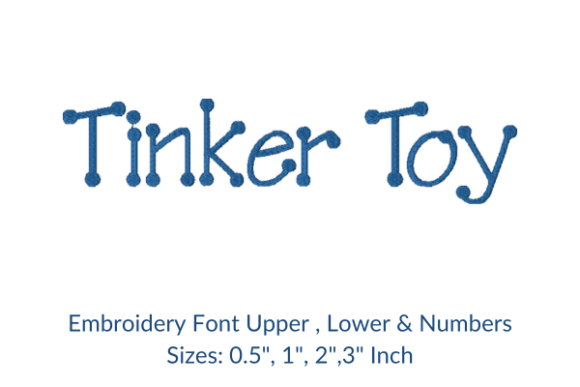
The first impression of this font is undeniably charming. True to its name, the aesthetic evokes a sense of playful nostalgia, reminiscent of classic wooden building blocks. However, do not mistake "playful" for "childish." There is a structural elegance to the letterforms that allows them to bridge the gap between nursery decor and modern home accents. For those of us in the School and education sector of crafting, or those creating items for young learners, this font hits a sweet spot. It feels handmade, warm, and inviting, which is exactly the emotional connection buyers seek when purchasing a personalized gift.
Visual Appeal and Emotional Connection
When evaluating a new embroidery file, I always ask: What story does this tell? The Tinker Toy font tells a story of creativity and foundation. The slightly rounded edges and consistent stroke width give it a softness that pairs beautifully with organic fabrics like cotton and linen. In my tests, the design felt less like rigid digital output and more like a thoughtful, hand-stitched element. This perceived quality is crucial for increasing the value of your handmade product. Customers are willing to pay a premium for items that look carefully curated, and this font delivers that artisanal vibe without the hours of manual labor.
The mood is versatile. While it naturally leans toward the whimsical, making it a top contender for baby embroidery projects, it also works surprisingly well for rustic wedding keepsakes or family reunion apparel. It lacks the sharp serifs of traditional formal fonts, which makes it feel approachable and friendly. This approachability is key for driving buyer engagement on platforms like Etsy, where shoppers are often scrolling quickly through thousands of listings. A font that catches the eye with its unique character can stop the scroll.
Practical Applications for Your Shop
So, where does the Tinker Toy Font Embroidery Design shine in a real-world production environment? I tested it across several common product categories to see where it performed best.
- Baby Blankets and Nursery Decor: This is the natural home for this font. The playful structure complements the innocence of baby items. Whether used for a name on a muslin swaddle or a birth date on a crib sheet, the legibility is excellent even at moderate sizes.
- Kitchen Textiles: I stitched the font onto an embroidered towel and a canvas apron. The boldness of the letters holds up well against the texture of terry cloth, provided you use the right stabilizer. It adds a custom touch to housewarming gifts that feels personal rather than generic.
- Tote Bags and Apparel: For custom embroidery on tote bags, the font’s open shapes prevent the fabric from puckering excessively, assuming your tension is correctly calibrated. It creates a standout statement piece for school events or family outings.
- Pillow Covers: On a square pillow cover, the font works beautifully for short quotes or single names. The geometric influence of the "tinker toy" style aligns well with modern farmhouse or mid-century modern interior trends.
For Etsy sellers and small shop owners, versatility is money. A font that can transition from a baby shower gift to a teacher appreciation present maximizes your inventory potential. You can create printable mockup images showing the same design on different products, helping customers visualize the possibilities.
Navigating Technical Challenges
While the aesthetic is strong, any experienced embroiderer knows that beauty must be balanced with technical feasibility. Here are the areas where you need to exercise caution when using this design.
Fabric Texture and Stability: Because the font has a distinct character, it relies on clean lines. On highly textured fabrics like thick waffle weave or loose-knit sweaters, smaller details might get lost. Always use a cut-away stabilizer for stretchy fabrics like baby onesies to prevent distortion. For woven fabrics like towels, a tear-away might suffice, but test first. The fabric texture can swallow fine stitches, so ensure your thread colors have high contrast against the background material.
Size Matters: Do not attempt to shrink this font too much. While it is legible, the internal spaces of letters like 'e', 'a', and 'o' need room to breathe. If you go too small, these areas may fill in with thread, turning your crisp letters into blobs. Always check the recommended minimum hoop size provided with the digital embroidery file. If that information is missing, stitch a test patch on scrap fabric before committing to a final product.
Curved Surfaces: Embroidering on curved surfaces, such as the toe of a sock or the pocket of a onesie, requires careful hooping. The geometric nature of the Tinker Toy font can reveal alignment errors more easily than script fonts. Take your time centering the design to maintain that professional, high-quality look.
Enhancing Perceived Value and Trust
Using a distinctive font like this directly impacts your brand perception. When a customer receives a finished product with clean, well-executed lettering, it builds trust. It signals that you care about the details. In the world of commercial embroidery, consistency is key. Once you have dialed in the settings for this font—tension, speed, and stabilizer combination—stick to them. This ensures that every small shop product you send out meets the same high standard.
Furthermore, the emotional appeal of personalized items cannot be overstated. A blanket with a child’s name in this playful font becomes an heirloom. A towel with a family name becomes a staple of the home. By choosing a font with personality, you are selling an experience, not just thread on fabric. This emotional resonance leads to better reviews, repeat customers, and word-of-mouth referrals.
Final Recommendations for Production
Before you list this design in your store, follow these practical steps:
- Test on Scrap Fabric: Never skip this step. Use the same fabric type you intend to sell.
- Check Thread Contrast: Ensure the thread color pops against the fabric. Dark threads on dark fabrics will hide the detail.
- Verify Licensing: Confirm the commercial licensing terms of the digital embroidery file. Ensure you are compliant for selling finished goods.
- Inspect Stitch Density: Look at the back of your test stitch. Is it too dense? Too loose? Adjust your tension accordingly.
- Photograph Well: Use good lighting to highlight the texture of the stitches in your product photos. This showcases the quality of your blanket embroidery or other items.
In conclusion, the Tinker Toy Font Embroidery Design is a robust addition to any designer’s library. It balances playfulness with professionalism, making it ideal for a wide range of personalized gifts. Whether you are creating for the School market, preparing for wedding season, or stocking your Etsy shop with everyday essentials, this font offers the charm and reliability needed to satisfy discerning customers. Just remember to respect the technical limits of the design, and it will serve your business well.