Script Number Six: A Pro Review for Small Business Branding
As an embroidery designer who has spent years digitizing logos and refining stitch paths for commercial clients, I approach every new machine embroidery design with a critical eye. It is not just about whether a font looks pretty on a screen; it is about how that digital embroidery file translates into thread on fabric, withstands industrial washing, and elevates a brand's identity. Today, I am reviewing Script Number Six, a script embroidery font that promises versatility across multiple machines. For small business owners, boutique creators, and apparel decorators, the question is simple: does this design hold up under the pressure of real-world merchandise production?
First Impressions: The Visual Personality of Script Number Six
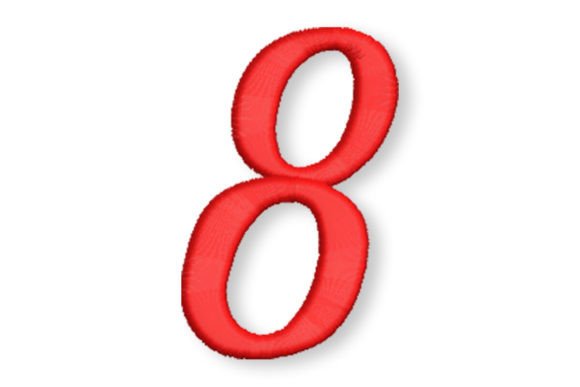
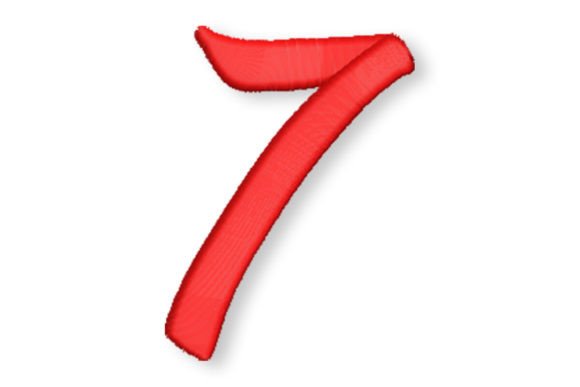
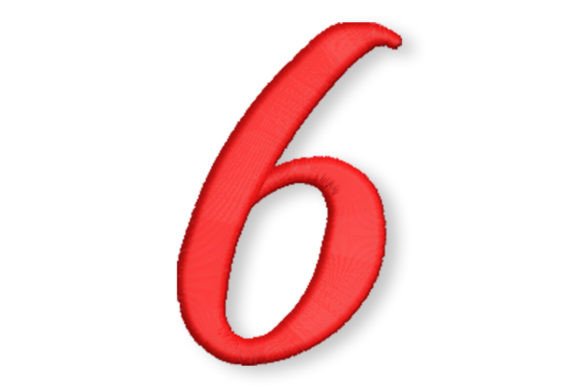
Upon loading the preview of Script Number Six, the immediate impression is one of approachable elegance. Unlike rigid sans-serif fonts often used in corporate settings, this script carries a fluid, handwritten quality that suggests warmth and creativity. It feels less like a standard school supply font and more like a custom signature suited for a handmade product label or a boutique storefront. The flow of the letters implies a premium yet friendly vibe, making it an excellent candidate for businesses in the hospitality, floral, pet care, or creative studio sectors. However, in the world of commercial embroidery, aesthetics are only half the battle. The true test lies in how these curves translate to thread.
Real-World Application: From Patches to Uniforms
When considering small business merch, versatility is key. Script Number Six shines brightest when applied to items that require a touch of personalization without sacrificing professionalism. Imagine a local bakery wanting to brand their staff aprons. A chest logo using this script can instantly communicate a "made with love" ethos. Similarly, for a florist or a pet brand, an embroidered patch featuring this font can serve as a high-value add-on for tote bags or canvas goods.
I envision this design working exceptionally well as a sleeve detail on work shirts or as a subtle accent on the side of a cap. Because script fonts rely on connectivity between letters, Script Number Six offers a continuous line that can look very sophisticated when executed with high-quality thread. For Etsy sellers and crafters, using this font on product packaging accents or hang tags can significantly boost the perceived value of a handmade product. It transforms a generic item into a branded asset that customers are proud to wear or display.
Navigating Technical Challenges in Production
While the aesthetic appeal is strong, experienced designers know that script fonts come with specific technical hurdles. The primary concern with Script Number Six is stitch density and the integrity of thin connecting lines. When scaling this design down for a small patch or a tight cap front, there is a risk that the delicate bridges between letters may break or become indistinct, especially on textured fabrics like pique polo shirts or heavy canvas tote bags.
Curved surfaces present another challenge. Applying this script to the front of a structured cap requires careful hooping and potentially a different digitizing approach to prevent the text from warping. Furthermore, if you are working with dark uniforms, you must ensure your thread colors provide sufficient contrast. A light thread on a dark background can sometimes cause the fine details of a script to get lost if the underlay stitching is not optimized. Before committing to a large run, it is crucial to test the design on the actual fabric texture you intend to use. What looks crisp on a smooth cotton sheet might behave differently on a rough linen or a stretchy knit.
Impact on Brand Identity and Customer Trust
The choice of typography directly influences brand identity. Script Number Six projects an image of authenticity and attention to detail. For a small business, this can be the difference between looking like a mass-market retailer and a curated, thoughtful brand. When a customer sees a cleanly embroidered logo on an apron or a tote bag, it signals quality and permanence. This visual consistency builds trust; it tells the client that the business cares enough to invest in professional-grade design assets.
In the context of School or educational merchandise, while this font is categorized under that umbrella, its application extends far beyond. It can soften the institutional feel of a uniform, making it more welcoming for daycare centers or art workshops. The emotional connection fostered by a well-chosen script font can lead to higher buyer engagement and repeat purchases, as customers often associate the quality of the embroidery with the quality of the service or product provided.
Essential Designer Notes for Commercial Use
Before you integrate Script Number Six into your production workflow, adhere to these practical steps to ensure a flawless finished product:
- Test in Monochrome First: Always stitch a sample in black and white to evaluate the contrast and clarity of the letterforms without the distraction of color.
- Verify Scalability: Check if the design maintains legibility at small patch sizes. If the connections between letters vanish, you may need to request a resized version or adjust the density.
- Select the Right Stabilizer: Script fonts often require a cut-away stabilizer rather than tear-away to support the continuous stitch lines and prevent puckering over time.
- Confirm Hoop Size: Ensure your machine's hoop size accommodates the full width of the text, especially if you plan to embroider full business names.
- Create a Printable Mockup: Generate a printable mockup for client approval before stitching. This helps visualize how the script sits on the specific garment cut.
- Review File Formats: Since this embroidery file comes with multiple formats, verify that you are using the native format for your specific machine to avoid conversion errors.
- Check Licensing: Confirm the commercial licensing terms explicitly. Ensure you have the right to use the design for resale items like patches or branded apparel.
Ultimately, Script Number Six is a powerful tool for elevating custom apparel and branded goods. It bridges the gap between digital convenience and tactile luxury. However, its success depends entirely on the skill of the operator and the preparation of the materials. By respecting the limitations of script embroidery and leveraging its stylistic strengths, small business owners can create merchandise that not only looks professional but also tells their unique story. Whether you are outfitting a café team or launching a new line of tote bags, this design offers the potential for high-impact branding—provided it is handled with the precision it deserves.