Three School Books: A Designer’s Review
As an embroidery designer who spends countless hours digitizing and testing files for commercial use, I am always cautious about adding new assets to my library. We all know that not every machine embroidery design found online translates well from a digital preview to a tangible finished product. Recently, I came across Three School Books on Creative Fabrica, and it caught my eye immediately. With the back-to-school season approaching and a constant demand for educational-themed decor, I decided to evaluate this design not just as a browser bookmark, but as a potential cornerstone for my upcoming custom apparel and home decor collections.
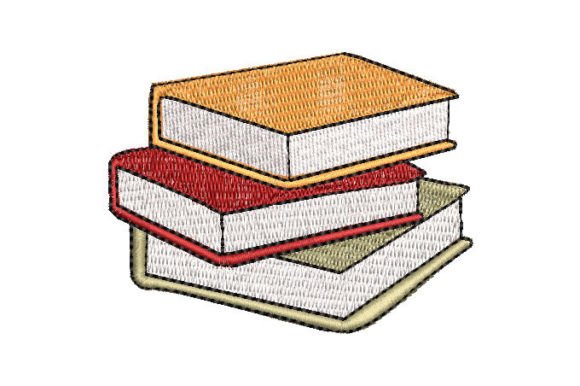
The initial visual impression of Three School Books is one of understated charm. It does not rely on overly complex shading or excessive detail, which is often a trap for beginner digitizers. Instead, it offers a clean, whimsical aesthetic that fits perfectly within the current trend of minimalist yet meaningful School themed decor. For those of us running small businesses or Etsy shops, this balance is crucial. A design that is too busy can look cluttered on smaller items, while a design that is too simple may not justify the price point. This particular embroidery file seems to hit the sweet spot, offering enough visual interest to stand out on a tote bag design or a pillow cover without overwhelming the fabric.
Visual Appeal and Stitching Personality
When reviewing any Creative Fabrica embroidery product, I look closely at the stitching personality. Does it look like it was digitized by someone who understands how thread behaves? In the case of Three School Books, the preview suggests a thoughtful approach to texture. The books likely utilize a combination of fill stitch for the covers and perhaps satin stitch for the spines or edges, creating a nice contrast in texture. This variety is essential for keeping the viewer’s eye engaged. Flat, single-texture designs can often look cheap when stitched out, whereas mixed textures add a premium feel to the handmade product.
The whimsical nature mentioned in the product description is key here. It suggests that the design is not rigid or strictly academic, but rather playful. This makes it versatile. It is not just for teachers; it is for anyone who loves the cozy, nostalgic feeling of reading and learning. This emotional connection is what drives sales for personalized gift items. When a customer sees this design on a sweatshirt embroidery project, they aren’t just buying a shirt; they are buying into an identity of being a reader, a learner, or an educator.
Practical Application in Real Projects
Let’s talk about where this design actually works in a real-world studio setting. I envision Three School Books performing exceptionally well on medium-weight fabrics. For instance, stitching this onto a canvas tote bag would provide a sturdy base that holds the stitches well. The design’s structure would complement the natural weave of the canvas, creating a boutique-style accessory that appeals to students and book lovers alike.
Another strong candidate for this design is the kitchen towel. Embellishing towels is a popular niche, and a school-themed design adds a touch of personality to a teacher’s classroom or a home library nook. However, when working with towels, one must be mindful of the stitch density. If the design is too dense, it can pucker the terry cloth. I recommend using a cut-away stabilizer to support the stitches and prevent distortion after washing. Since the product description mentions it is suitable for towels, the digitizer has likely optimized the pull compensation, but a test stitch is always non-negotiable.
For custom apparel, such as a teacher’s cardigan or a student’s hoodie, the placement is critical. This design would look adorable on the left chest area of a sweatshirt or centered on the back of a tote. If you are considering using it for an embroidered patch, ensure that the edges are cleanly finished with a satin border or a merrowed edge if your machine supports it. Patches require high durability, so checking the underlay stitches in the preview or test run is vital to ensure the patch doesn’t fray over time.
Navigating Technical Challenges
While Three School Books appears user-friendly, there are technical aspects every embroiderer must consider before hitting "start." First, consider the hoop size. Although the exact dimensions are not specified in the brief description, school-themed icons are often compact. This is an advantage for those with smaller hoops or for placing designs in tight spaces, like the cuff of a sleeve or the corner of a napkin. However, if the design includes tiny text or intricate details, stitching on textured fabrics like fleece or thick denim might cause some loss of definition. In such cases, using a water-soluble topping can help keep the stitches on top of the pile.
Color selection is another pivotal factor. The charm of this design relies heavily on thread colors. A realistic approach might use browns, blues, and reds for the book covers, but a monochromatic scheme using varying shades of blue could create a sophisticated, modern look for adult apparel. Always stitch a test sample on your intended fabric color. Dark fabrics can swallow up details if the thread contrast is not high enough. Conversely, light fabrics may show through if the fill stitch density is too low.
Furthermore, if you plan to use this for commercial embroidery on items that will undergo frequent washing, such as baby blankets or aprons, durability is paramount. Ensure that your tension is balanced correctly. Loose tension can lead to looping and snagging, which ruins the professional look of the finished product. A proper stabilizer choice—likely a medium-weight cut-away for stretchy fabrics like sweatshirts—will ensure the design remains crisp wash after wash.
Enhancing Product Value and Brand Consistency
From a business perspective, incorporating Three School Books into your lineup can enhance your brand’s perceived value. High-quality, well-digitized designs signal to customers that you care about craftsmanship. When you present this design on a high-quality printable mockup or in professional product photography, it elevates the entire listing. It allows you to tap into the lucrative back-to-school market without having to digitize the asset from scratch, saving you valuable time that can be spent on marketing and customer service.
Consistency is key in building trust. If your shop specializes in whimsical, charming home decor, this design fits seamlessly. It allows you to create cohesive collections, such as matching tote bags and pencil pouches, or coordinated teacher appreciation gifts. By using reliable design assets from reputable sources like Creative Fabrica, you reduce the risk of production errors, ensuring that every item you ship meets your quality standards.
Final Verdict and Best Practices
In conclusion, Three School Books is a promising addition to any embroiderer’s library, particularly for those focusing on educational, literary, or whimsical themes. Its versatility across various products—from tote bag design concepts to sweatshirt embroidery—makes it a practical choice for small business owners. However, success lies in the execution. Always check the specific file details and licensing terms on the Creative Fabrica product page before selling finished items. Verify the available formats to ensure compatibility with your machine.
Before committing to a large order, stitch out a sample on scrap fabric identical to your final product. Check the stitch density, inspect the small details for clarity, and ensure the stabilizer provides adequate support. By taking these precautions, you can confidently use this digital embroidery file to create beautiful, high-demand products that resonate with your customers. Whether you are creating a personalized gift for a favorite teacher or stocking your Etsy shop for the fall season, this design offers the charm and quality needed to stand out in a crowded market.