Footprint of Shoe Sole: A Craft Fair Review
As I set up my booth for the upcoming weekend market, I am constantly evaluating which machine embroidery design files will stop customers in their tracks. Today, I am taking a close look at the Footprint of Shoe Sole. This isn't just another decorative element; it is a statement piece that bridges the gap between rugged utility and modern home decor. When you are an Etsy seller or a boutique maker, you need designs that tell a story instantly. The Footprint of Shoe Sole does exactly that. It evokes feelings of adventure, travel, and the outdoors, making it a perfect fit for the current trend of rustic and farmhouse aesthetics.
First Impressions and Visual Appeal
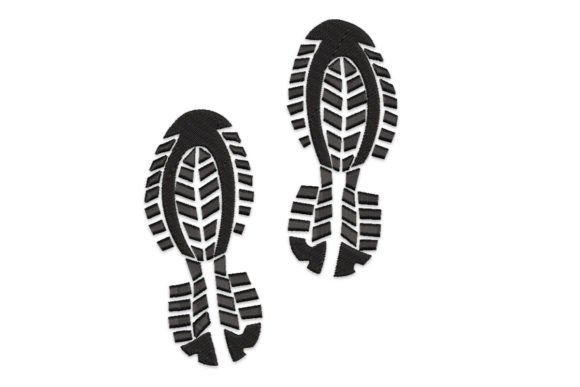
Upon loading the embroidery file into my software, the first thing that strikes me is the boldness of the lines. This design feels grounded and substantial. It is not delicate or overly frilly; instead, it carries a weight that suggests durability. For a craft fair product, this is crucial. Customers walking down an aisle of handmade goods are drawn to items they can understand at a glance. The silhouette of a shoe sole is universally recognizable. Whether it represents a hiking boot, a work boot, or a sneaker, the imagery communicates movement and life.
The visual appeal of the Footprint of Shoe Sole lies in its versatility. It can be interpreted as a playful nod to muddy kids running inside, a tribute to the great outdoors, or a stylish graphic for streetwear-inspired home goods. This ambiguity works in our favor as creators because it allows the buyer to project their own meaning onto the finished product. In a School context, perhaps it represents the journey of learning, but for the general market, it screams "adventure ready."
Product Applications for Maximum Sales
When deciding where to stitch this design, we must consider the fabric texture and the item's purpose. Here is how I see the Footprint of Shoe Sole performing across different handmade product categories:
- Tote Bags and Market Bags: This is arguably the strongest application. A canvas tote with a large, centered shoe print looks incredibly chic and modern. It serves as a fantastic tote bag design for grocery runs or beach days.
- Aprons and Kitchen Towels: For the home chef who loves gardening or hiking, apron embroidery featuring this motif adds a touch of personality. Similarly, tea towel embroidery with this design makes for a humorous and practical housewarming gift.
- Caps and Hats: Placing a smaller version on the front of a baseball cap creates a subtle yet cool accent. However, one must be mindful of the curved surface when digitizing or selecting the file.
- Patches and Pouches: As an embroidered patch, this design can be ironed onto denim jackets or backpacks, appealing to a younger demographic. Small fabric pouches with this print make excellent zipper bags for coins or cosmetics.
- Pillow Covers: A large-scale footprint on a neutral linen pillow cover brings an earthy, organic vibe to living room decor.
Production Practicality and Batch Efficiency
For those of us running a small business, time is money. The Footprint of Shoe Sole appears to be a design that lends itself well to batch production. Because the shapes are generally solid and the lines are distinct, it should stitch out relatively quickly compared to highly detailed portraits or complex landscapes. This efficiency allows us to create multiple units of a small shop product without tying up our machines for days.
Photography is another critical factor. This design photographs exceptionally well for printable mockup creation and online listings. The high contrast between the tread pattern and the background fabric ensures that the image pops on social media feeds. When creating design assets for your website, ensure you capture the texture of the stitches, as this highlights the quality of your commercial embroidery work.
Critical Considerations for Execution
While the design is promising, there are technical aspects we must address to ensure a premium result. Not all digital embroidery file conversions are created equal. Before committing to a full production run, keep these careful-use notes in mind:
- Stitch Density: Check the stitch density settings. If the design is too dense, it may cause the fabric to pucker, especially on lighter materials like tea towels. If it is too sparse, the backing might show through, ruining the professional look.
- Fabric Compatibility: This design shines on medium-to-heavy weight fabrics. On thick fabric or textured towels, ensure the needle penetrates cleanly. Avoid using this on very sheer or slippery fabrics unless you are an expert in stabilization.
- Curved Surfaces: If applying this to caps, verify that the design fits within the available hoop size and that the distortion on the curve does not obscure the tread details.
- Thread Contrast: The impact of the Footprint of Shoe Sole relies heavily on thread colors. A dark brown or black thread on a cream canvas offers a classic look, while neon threads on dark fabric can create a modern, urban aesthetic. Test your color combinations on scrap fabric first.
- Small Details: If the design includes tiny text or minute tread grooves, these may lose clarity if the design is resized too small. Always maintain the recommended minimum size specified by the designer.
Enhancing Brand Consistency and Buyer Engagement
Incorporating the Footprint of Shoe Sole into your inventory can significantly boost your booth display strength. It acts as a visual anchor that draws the eye. When customers see a cohesive collection of items—bags, towels, and pillows—all featuring this unified theme, it establishes brand consistency. It tells the buyer that you have a curated vision, not just a random assortment of goods.
Furthermore, this design encourages buyer engagement. It invites questions: "Is that a hiking boot?" or "Did you make this for travelers?" These conversations are the lifeblood of craft fair sales. By having a tangible sample, such as a real mockup of a tote bag, you allow customers to touch the quality of the stitching and feel the weight of the fabric. This tactile experience often converts browsers into buyers.
Final Designer Notes and Licensing
Before you list this as a handmade product or include it in your School supply kits, there are final steps to take. Always test the design on scrap fabric that matches your final product material. Review the spacing of the elements to ensure no threads bridge gaps awkwardly. Confirm the hoop size requirements to ensure it fits your machine's capabilities without excessive re-hooping.
Most importantly, verify the licensing terms. Since this is a commercial embroidery asset, ensure you have the right to sell finished goods made with this embroidery file. Some designers allow unlimited sales of physical items, while others have restrictions. Never assume; always check the documentation provided with the download. If specific details like exact stitch count or file formats (PES, DST, XXX) are not clearly included in the product description of the Footprint of Shoe Sole, reach out to the creator or check the listing page thoroughly before production begins.
In conclusion, the Footprint of Shoe Sole is a robust, versatile, and market-ready design. With the right fabric choices, careful attention to stabilizer selection, and strategic product placement, it has the potential to become a best-seller in your handmade shop. It captures the spirit of exploration and translates it into a tangible, sellable art form that resonates with today's consumers.