Pipe Dream Font: A Craft Fair Review
As an embroidery designer who has spent countless weekends standing behind booth tables, watching potential customers pick up and inspect my work, I have learned that font choice is everything. It is the voice of your brand. When I first loaded the Pipe Dream Font Embroidery Design into my digitizing software, I was looking for more than just pretty letters. I was looking for a workhorse. I needed a typeface that could carry the weight of a custom name on a tote bag while remaining legible from three feet away in a crowded market aisle. After putting this design through its paces on various fabrics and products, I am ready to share my honest assessment of how this font performs in the real world of handmade sales.
First Impressions and Visual Appeal
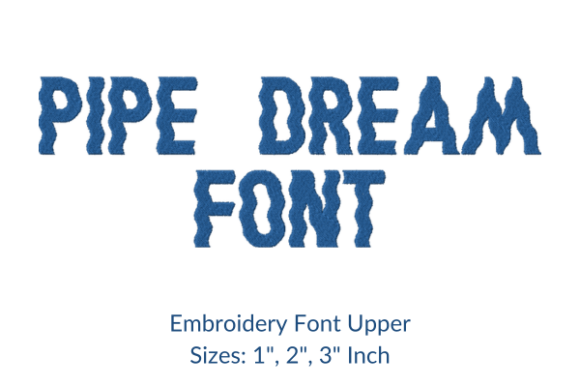
The immediate impression of the Pipe Dream Font Embroidery Design is one of approachable charm. It does not try to be overly ornate or aggressively modern. Instead, it strikes a balance that feels both nostalgic and fresh. For sellers targeting the School category, this is a significant advantage. It feels friendly enough for a child’s backpack tag yet structured enough for a teacher’s appreciation gift. The lines are clean, suggesting that the digitizer paid close attention to stitch density to prevent puckering, a common issue with bubbly or rounded fonts.
When evaluating a new machine embroidery design, I always ask myself: Does it look expensive? Cheap fonts can make a high-quality linen apron look like a mass-produced item. Pipe Dream, however, has a hand-drawn quality that elevates the perceived value of the finished product. It suggests care and intention, which is exactly what buyers are looking for when they choose a handmade product over a big-box store alternative.
Performance Across Product Categories
The true test of any embroidery file is its versatility. I tested Pipe Dream on several staple items found in most craft fair booths. Here is how it held up:
- Tote Bags: This is perhaps the strongest application. The font scales beautifully for a large monogram on a canvas tote bag design. It remains bold and readable even when stitched in a single color against natural cotton. It creates an instant personalization opportunity that customers love.
- Aprons and Tea Towels: For apron embroidery and tea towel embroidery, the font’s spacing is crucial. Pipe Dream allows for excellent kerning, meaning you can stitch longer names or witty quotes without the letters feeling cramped. On textured terry cloth towels, the design holds its shape well, provided the right stabilizer is used.
- Caps and Hats: Stitching on curved surfaces is tricky. Because Pipe Dream has consistent stroke width, it adapts well to the front panel of a baseball cap. It does not have excessive underlay that might cause bulk, making it a safer choice for headwear than heavier script fonts.
- Embroidered Patches: I created several small patches using this font. The clarity at smaller sizes is impressive. For a small shop product like a morale patch or a name tag, the legibility is maintained without losing the character of the typeface.
Production Practicality for Sellers
For those of us running an Etsy seller account or a local boutique, time is money. A design that looks great but takes forty minutes to stitch is not sustainable for high-volume craft fair product creation. Pipe Dream appears to be optimized for efficiency. The stitch paths seem logical, minimizing jumps and trims. This makes it ideal for batch production. If you are offering personalized items at a fair, you need a font that stitches quickly so you can keep up with demand.
Furthermore, this design photographs exceptionally well. In the digital age, your printable mockup and online listing images are your primary sales tools. The clean lines of Pipe Dream pop against both light and dark backgrounds, making it easier to create compelling social media content. Whether you are posting a flat lay on Instagram or a lifestyle shot on Pinterest, the font reads clearly even in thumbnail size.
Careful-Use Notes and Technical Considerations
While Pipe Dream is versatile, it is not without its limitations. As with any digital embroidery file, you must respect the physics of thread and fabric. Here are my technical notes for best results:
- Fabric Texture: On highly textured fabrics like waffle weave or heavy wool, ensure your tension is perfect. The open nature of some letters in this font means that if the tension is too loose, the fabric might show through excessively.
- Small Lettering: While it scales well, avoid going too small on complex details. If you are stitching on a tiny pouch, stick to initials or very short words. Tiny serifs or connectors can get lost if the hoop size forces the design to shrink below a quarter-inch in height.
- Thread Contrast: This font shines with high contrast. A dark navy thread on a white tote is striking. However, if you choose low-contrast combinations, such as beige on cream, ensure your lighting is good, as the subtle details may blend in.
- Stabilizer Choice: Always use a cut-away stabilizer for stretchy fabrics like jersey knits or caps. For woven cottons, a tear-away is sufficient, but do not skimp on quality. The integrity of the font depends on the foundation.
Enhancing Brand Consistency and Value
Using a consistent font across your product line helps build brand recognition. If you use Pipe Dream Font Embroidery Design on your tags, your packaging, and your primary products, you create a cohesive visual identity. Customers begin to associate that specific typographic style with your quality. This is vital for commercial embroidery businesses aiming to stand out in a saturated market.
Moreover, this font encourages upselling. Because it is so easy to read and aesthetically pleasing, customers are more likely to add a personalized name to their order. It transforms a standard kitchen towel into a wedding gift, or a plain backpack into a School essential. The emotional connection created by seeing one’s own name in a beautiful font drives engagement and increases the average order value.
Final Designer Recommendations
Before you launch this design into your production line, follow these steps. First, always test the design on scrap fabric that matches your final product. Check the thread colors against your fabric swatches. Second, verify the licensing terms. While this is a high-quality asset, always confirm that your purchase includes commercial rights for selling finished goods. Finally, create at least one real-world mockup. Do not rely solely on digital previews. See how the light hits the stitches in person.
In conclusion, the Pipe Dream Font Embroidery Design is a robust addition to any designer’s library. It balances aesthetic appeal with production efficiency, making it a reliable choice for design assets intended for retail. Whether you are a seasoned vendor or a new creative entrepreneur, this font offers the clarity and charm needed to turn browsers into buyers. It is a tool that respects both the maker’s time and the customer’s eye, ensuring that every stitch contributes to a successful sale.